Best time to visit Amara Cay Resort — month by month
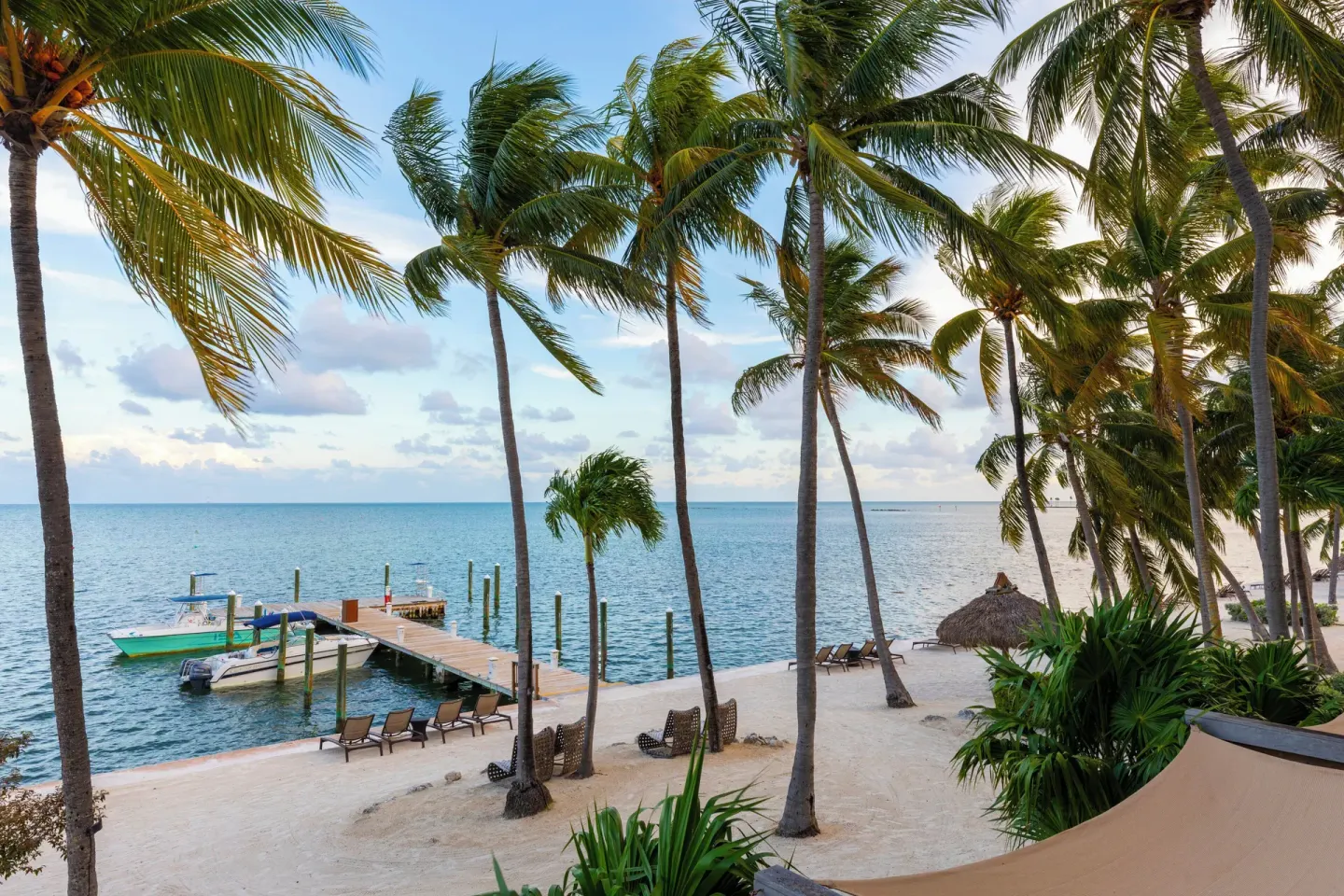
The best time to visit Amara Cay Resort is during the dry season (roughly November–April) for lower humidity, calmer seas and the clearest snorkeling and boating conditions. If you prefer fewer crowds and better value, consider shoulder months (late April–May and November) while avoiding the height of hurricane season (August–October).
In this guide
- Why season matters in Islamorada
- Best months for clear water and water activities (Dec–Apr)
- Shoulder months — quieter stays with fair weather (Apr–May, Nov)
- Wet season and value travel (May–Oct)
- Hurricane season: planning and insurance (June–November)
- Choose the right room for the season and activities
- Practical tips by month (quick month-by-month notes)
Why season matters in Islamorada
Islamorada has a distinct dry season (November–April) and wet season (May–October). Dry-season weather is sunnier, less humid, and offers better water visibility for snorkeling, diving, and fishing.
Wet-season months bring higher temperatures, more humidity, and frequent afternoon thunderstorms; they also include the Atlantic hurricane season (June–November), with peak storm risk August–October.
- Dry season (Nov–Apr): better visibility, lower humidity, calm seas
- Wet season (May–Oct): warmer, wetter, more mosquitoes; afternoon storms common
- Hurricane season (Jun–Nov): elevated risk from Aug–Oct
Best months for clear water and water activities (Dec–Apr)
December through April brings the driest, sunniest weather and the clearest ocean visibility, which is ideal for on-site snorkeling, scuba diving, kayaking, and fishing. The resort's zero-entry pool and private Lighthouse Beach are easiest to enjoy in calm conditions.
Expect the busiest periods and higher room rates during these months, especially around winter holidays and major fishing tournaments.
- Top for snorkeling/diving visibility
- Calmer seas for boat trips and the Rum Runner water taxi
- ReelCatch and Tiki Bar operate their usual schedules; outdoor dining and live music run Thu–Sat evenings

Shoulder months — quieter stays with fair weather (Apr–May, Nov)
Late April, May, and November often balance pleasant weather with lighter crowds and more moderate rates. Humidity and the chance of afternoon showers begin to rise in late spring, but many days remain suitable for beach and water activities.
These months are a good choice if you want many of the dry-season advantages without peak-season occupancy; they also avoid most of the busiest holiday blocks.
- Fewer crowds than winter peak
- Good for snorkeling, fishing charters, and on-site kayaking
- Watch weather forecasts in May as the wet season approaches
Wet season and value travel (May–Oct)
May through October is warmer and more humid, with frequent afternoon showers and thunderstorms. Hotel rates and occupancy often drop in this period, which can make it attractive for travelers looking for lower prices.
If you travel in the wet season, plan flexible activities (morning outings often have better weather than afternoons) and bring mosquito repellent for evenings near vegetation and water.
- Lower rates and lighter crowds
- Afternoon storms common — plan morning water activities
- Increased insect activity; bring suitable repellent
Hurricane season: planning and insurance (June–November)
Hurricane season runs June through November, with the highest storm risk typically from August to October. Travelers during these months should consider travel insurance that covers weather-related cancellations or changes.
Check the resort's cancellation rules before booking. Amara Cay Resort's policy allows cancellations up to 72 hours before arrival to avoid a one-night penalty; advance-purchase plans are fully prepaid and non-refundable.
- High-risk window: August–October
- Confirm cancellation terms for your rate (72-hour window vs. non-refundable Advance Purchase)
- Consider travel insurance that includes tropical-storm coverage
Choose the right room for the season and activities
Ocean-facing rooms and suites give the best access to sunrise views and quick steps to the zero-entry pool and Lighthouse Beach. If ocean views matter, look for Room, Oceanfront; Room, Oceanfront, Lanai; or Suite, with Sofa bed, Oceanfront.
Families and groups may prefer the Suite, Multiple Beds, Oceanfront Lanai or Premium Suite, Multiple Beds, Oceanfront for extra space and sofa-bed options; couples might choose Standard King Room or Room, with Sofa bed, Palm Partial Ocean View depending on view preference.
- Couples/sunrises: Room, Oceanfront or Room, Oceanfront, Lanai
- Families/groups: Suite, Multiple Beds, Oceanfront Lanai; Premium Suite, Multiple Beds, Oceanfront
- Partial ocean/pool views: Room, with Sofa bed, Palm Partial Ocean View or Standard Room, 2 Queen Beds
| Guest type | Recommended room types |
|---|---|
| Couples | Standard King Room; Room, Oceanfront |
| Families (up to 4) | Room, Oceanfront (1 King Bed and 1 Double Sofa Bed); Room, Oceanfront, Lanai |
| Groups (up to 6) | Suite, Multiple Beds, Oceanfront Lanai; Premium Suite, Multiple Beds, Oceanfront |

Practical tips by month (quick month-by-month notes)
These concise notes highlight what to expect each month. Weather patterns follow the general dry/wet-season outline, but local events and tournament dates can affect occupancy.
Check specific event timing (fishing tournaments, local festivals) and the resort's calendar before booking if you want to avoid or join an event.
- January–March: Peak season — best water conditions, busiest time
- April: Transition month — still good weather, fewer crowds late in the month
- May: Shoulder to wet-season start — mornings best for water activities
- June–July: Warmer with more thunderstorms; lobster mini-season special events in late July
- August–September: Hot, humid; higher hurricane risk — consider travel insurance
- October: Hurricane season still active but often fewer tourists
- November–December: Dry season returns; Thanksgiving and winter holidays bring higher occupancy